
News

Page 4

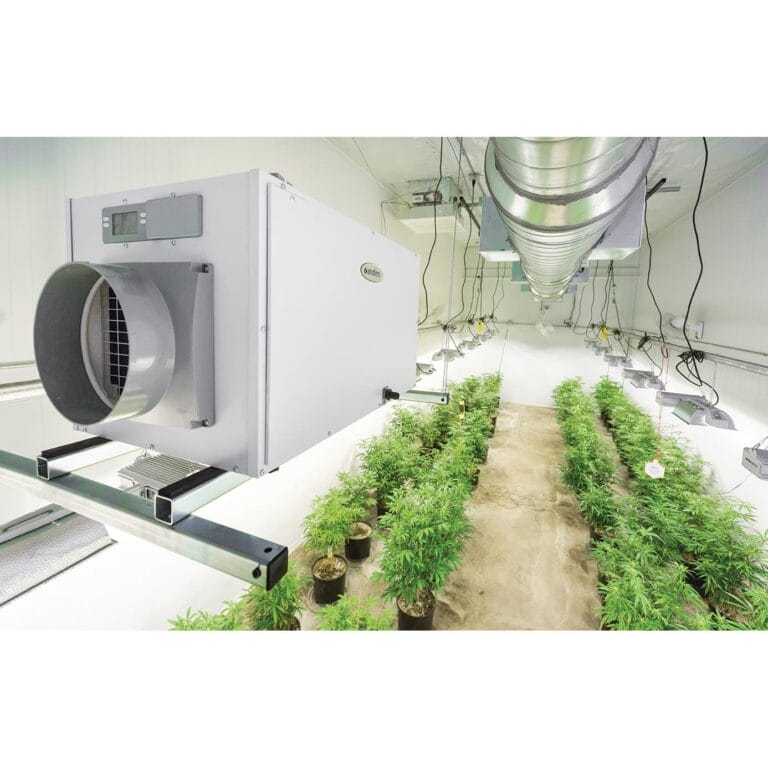
Indoor cultivation setup featuring a white Anden unit and multiple overhead grow lights, surrounded by green plants.

Energy Companies Incentivize Growers

Energy Companies Want Cultivators to Increase Energy Efficiency Cultivators are far too aware of the expense of running an indoor grow operation. Keeping an indoor operation humming 24/7/365 is expensive. As more Midwestern and Northern states legalize cannabis, energy grids are strained due to harsh winters and fluctuating humidity. With high startup costs, the sticker shock of purchasing methods that are more efficient may push cultivators to seek out cheaper alternatives. Unfortunately, these alternatives are also energy hogs and their total energy consumption costs could outweigh their cheaper price tag. To encourage cultivators to change to energy-efficient products, energy companies across the country are offering energy…
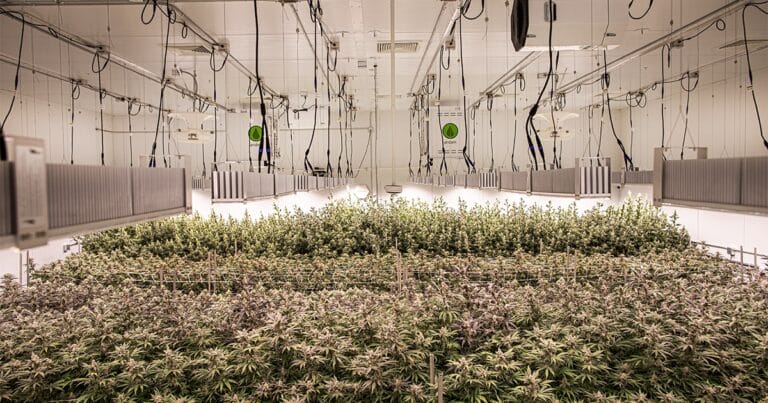
Lush rows of cannabis plants under bright grow lights in a modern indoor cultivation facility.

Pro Advice: Building A Commercial Indoor Grow Operation

As the legalization of cannabis becomes more prevalent across the United States, it brings with it ample opportunities to start a commercial grow operation. For growing premium strains of cannabis, indoor growth is essential. (Growing outdoors is typically reserved for extracts, edibles, and CBD.) So if you’re looking to grow a high-end flower, you’ll need to decide on how to build out the structure that will house your growth operation. Below you’ll find some expert advice from Randy Lenz, Senior Applications Engineer for Anden. Benefits of Indoor Grow Operations Growing indoors gives you total control overgrowth conditions. The ability to…

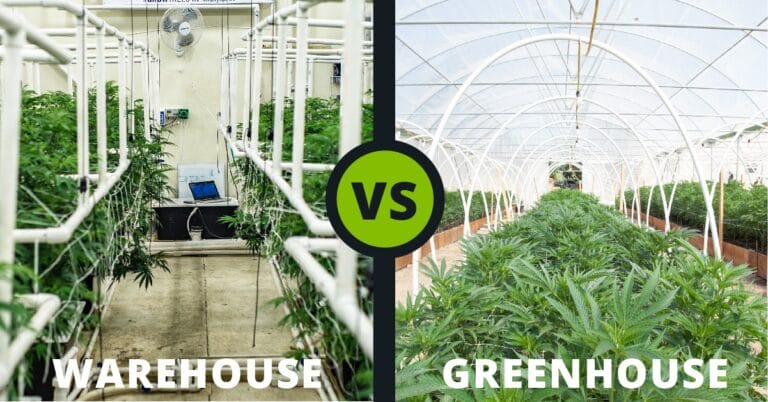
Side-by-side comparison of a cannabis warehouse and greenhouse, highlighting different growing environments.

Growing Cannabis: Warehouse vs. Greenhouse?

Indoor cannabis growth largely takes two forms: warehouse or greenhouse. When deciding where to grow their crops, growers take a number of factors into account such as local laws, budget, and strain variety. While greenhouses have long been a popular and efficient method for growing all types of plants, warehouses became recently necessary in the cannabis industry due to laws against growing, regulations on odor control, and the potential for theft. So what’s the best fit for your grow? Let’s start by defining our two options and looking at some of the benefits: Greenhouse A growing structure made mostly of…

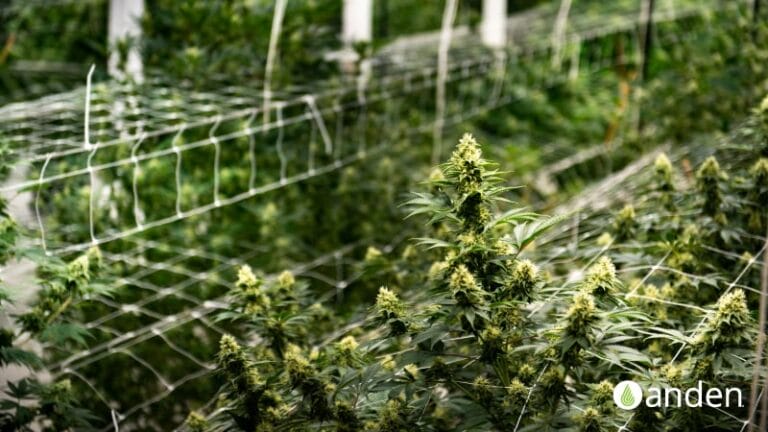
Lush cannabis plants with dense buds growing under a trellis in a greenhouse setting.

Interconnected: Grow Room Equipment Systems and Sizing

In an ever-changing industry, the classic ways of sizing for dehumidification are coming into question. This is because grow room equipment systems such as lighting and temperature continue to evolve. HVAC manufacturers are making claims about dehumidification. Lighting companies are developing lighting that produces less heat. Cultivators are running their rooms at lower temperatures and lower relative humidity. There is not anything inherently wrong with developing more efficient systems in an attempt to save energy – after all, electricity is a major expense for every cultivator. However, within these efforts, we are seeing rooms that are undersized for cooling loads…

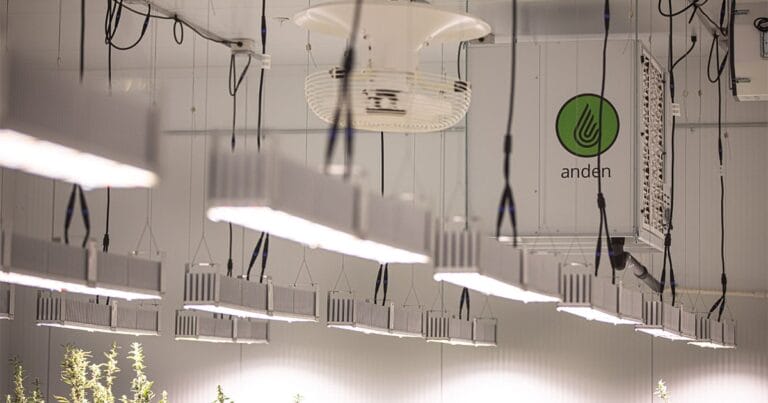
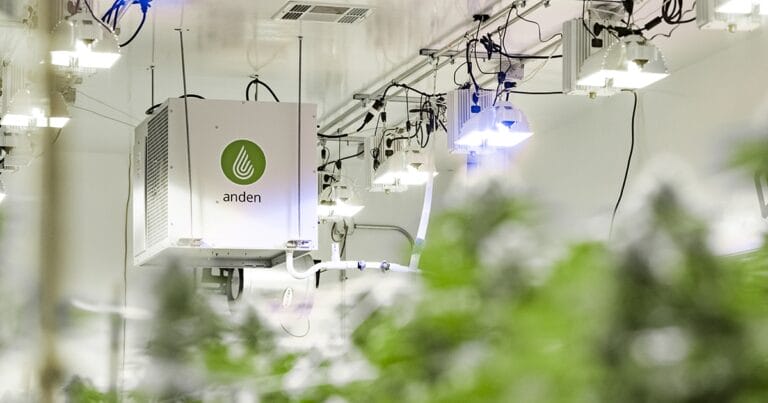
Bright LED grow lights hang from the ceiling in a modern indoor cultivation facility, with a green Anden logo visible.

Equipment Installation – 5 Best Practices

Investing money in quality equipment is important – but at the end of the day, the equipment in your facility is only as good as its installation. With a small investment in time and consideration, a facility can increase its productivity profoundly.

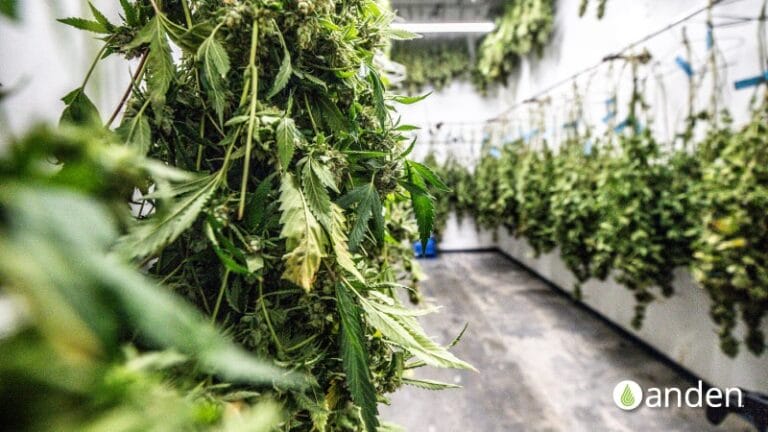
Hanging cannabis plants in a drying room, with vibrant green leaves and a clean, organized workspace in the background.

Drying Room Best Practices

Properly planning and designing a drying room is one of the least considered and most important parts of any cultivation facility. It is important to provide stability when designing a drying room. This promotes an ideal environment and allows for the gradual release of moisture from the flowers. The key components to control are air circulation, temperature, light (or a lack there of), and humidity. Moisture Removal Patience is one of the most critical factor in the drying process. Moisture needs to be removed, but not aggressively. The whole process of drying is best done on average over a…

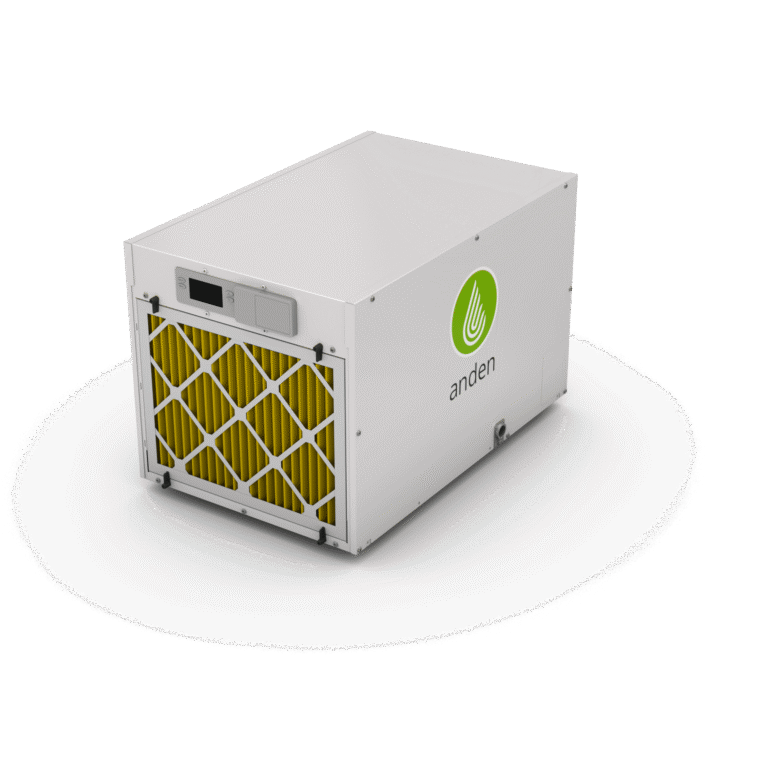
Compact white air conditioning unit with a yellow filter and a green logo, designed for efficient climate control.

What To Look For in A Grow-Optimized Dehumidifier

When building out your grow room, it’s important to know what your plants and space require. Here, we focus on climate control and humidity. If you want serious yields and reliable results, you can’t rely on a stand-alone dehumidifier. Like the kind you might find at a hardware store. You need a grow room dehumidifier that’s built for industrial performance with components that keep you ahead of the growing curve. You need a dehumidifier that’s optimized for growth. Choosing A Dehumidifier So what does it mean to be grow-optimized? Just ask one of Anden’s experts. “We’ve built units from the…

Ventilation system above rows of healthy green plants in a well-lit indoor growing environment.

CFM and What It Means for Your Grow Room

When it comes to growing, air movement is a must. That’s why you’ll see lots of big, powerful fans inside most grow rooms. They help mix the air to avoid hot spots, cold spots, humidity ranges, and other inconsistencies. “Cubic Feet per Minute” (CFM) tells you how much air a piece of equipment can move. Industrial Dehumidifiers Airflow is also critical for humidity control, because a dehumidifier can only remove moisture from the air that passes through it. So the size and efficiency of a dehumidifier’s fan can determine how well it operates in your grow room. Anden dehumidifiers are…

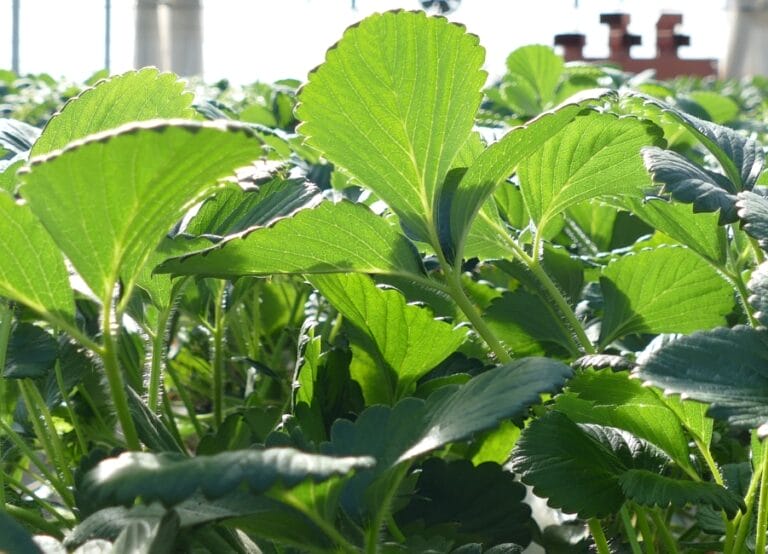
Lush green strawberry leaves basking in sunlight, showcasing vibrant textures and healthy growth in a greenhouse setting.

Taking Control of Vapor Pressure Deficit

Humidity control is crucial in a grow room. That’s true whether you’re starting seedlings, rooting cuttings, or drying. When humidity rises above 60%, you can experience mold, mildew, and other unwanted biological growth. Plus, high humidity can prevent plants from properly taking in CO2, which limits photosynthesis and growth. Now’s the time to figure out your Vapor Pressure Deficit. What is VPD? The Vapor Pressure Deficit (VPD) is essentially a measurement of the air’s ability to absorb moisture, which is related to your plants’ ability to absorb and let out moisture. Of course, these are critical for the proper growth…

To provide the best experiences, we use technologies like cookies to store and/or access device information.