
Cultivation

Green logo with stylized plant design and the word "anden" on a white background, partially obscured by foliage.

The All-in-one Cooling System vs Dedicated Cooling And Dehumidification

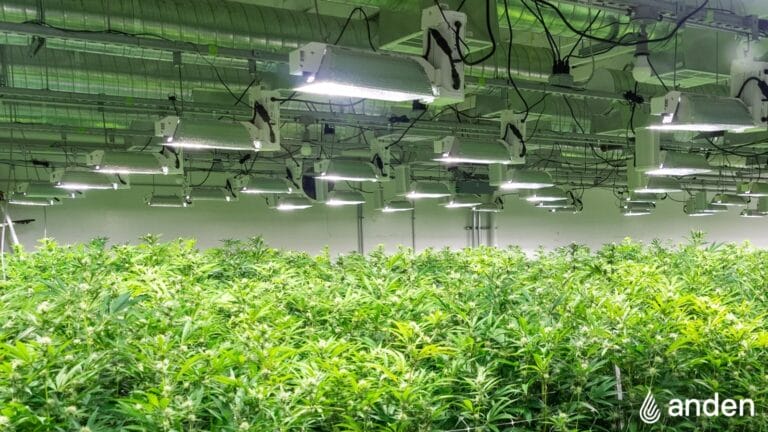
Indoor cultivation requires very tight environmental control to maximize product quality and yield. To effectively control the indoor environment, both temperature and humidity levels must be addressed.

Greenhouse with potted plants under hanging lights, set against a city skyline with a muted color palette.

How to Avoid Indoor Grow Contamination

You should be paying close attention to common sources of contamination in indoor grows. Here are some common, easy-to-mitigate causes of indoor grow contamination.

Lush green cannabis plants thrive under bright grow lights in a modern indoor cultivation facility.

Get Lit: Light Sources’ Impact on Your Grow Room’s Humidity

Many growers know the best way to grow cannabis indoors is to mimic outdoor conditions. But do you know you actually have an edge? Since the outdoors can be very unpredictable, consider the power to regulate factors such as hydration, lighting, and humidity that are crucial to a healthy crop. Light, and the heat created…

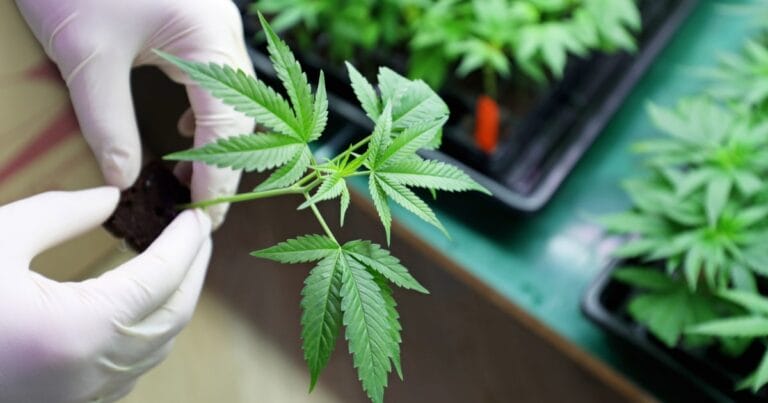
A gloved hand holds a young cannabis plant with vibrant green leaves, surrounded by more plants in the background.

The Incredible History of Growing Marijuana Throughout the World

Which came first – recreational and medical marijuana? it seems to be a chicken or the egg situation in the history of growing marijuana. Medical marijuana has a detailed history and its use is heavily documented throughout many ancient empires including the Chinese, Greeks, and Egyptians using it to treat ailments including cancerous tumors. Despite this colorful history, recreational marijuana has always traveled hand-in-hand with medical marijuana. As some of these societies have experimented with the medical benefits of marijuana, others have used the plant simply for recreational purposes. Medical Marijuana’s Use Medical marijuana has served as a gateway for…

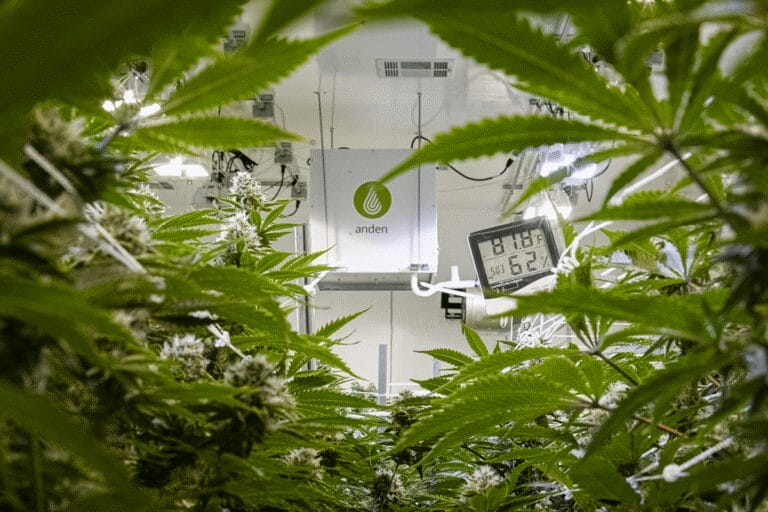
Lush cannabis plants in a controlled indoor environment, featuring a temperature and humidity monitor in the foreground.

History of Indoor Growing

The cultivation of cannabis has been occurring forever. In America, hemp was an important crop and served as an important fiber in creating textiles and other products. Others used cannabis for medicinal and recreational purposes. For the purpose of this article, hemp is defined as any cannabis that has a low level of THC and can be used in the creation of CBD products like oil. Beginning of Indoor Growing Cannabis gained increased notoriety during the counterculture era of the 1960s and 1970s and received increased scrutiny during the Reagan administration’s War on Drugs, which placed the drug on the…

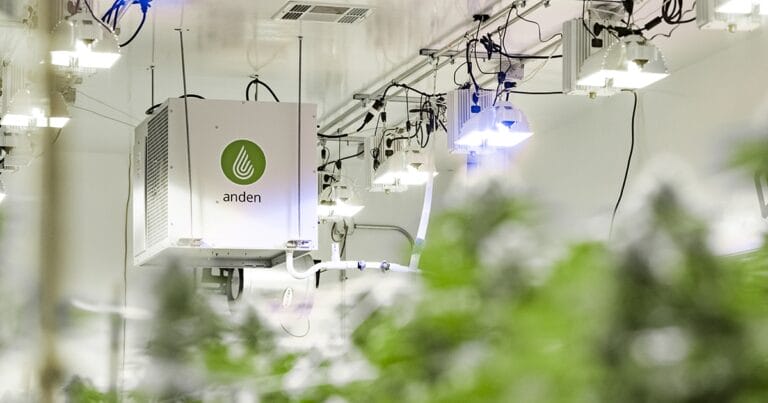
Indoor cultivation setup featuring a white Anden unit and multiple overhead grow lights, surrounded by green plants.

Energy Companies Incentivize Growers

Energy Companies Want Cultivators to Increase Energy Efficiency Cultivators are far too aware of the expense of running an indoor grow operation. Keeping an indoor operation humming 24/7/365 is expensive. As more Midwestern and Northern states legalize cannabis, energy grids are strained due to harsh winters and fluctuating humidity. With high startup costs, the sticker shock of purchasing methods that are more efficient may push cultivators to seek out cheaper alternatives. Unfortunately, these alternatives are also energy hogs and their total energy consumption costs could outweigh their cheaper price tag. To encourage cultivators to change to energy-efficient products, energy companies across the country are offering energy…

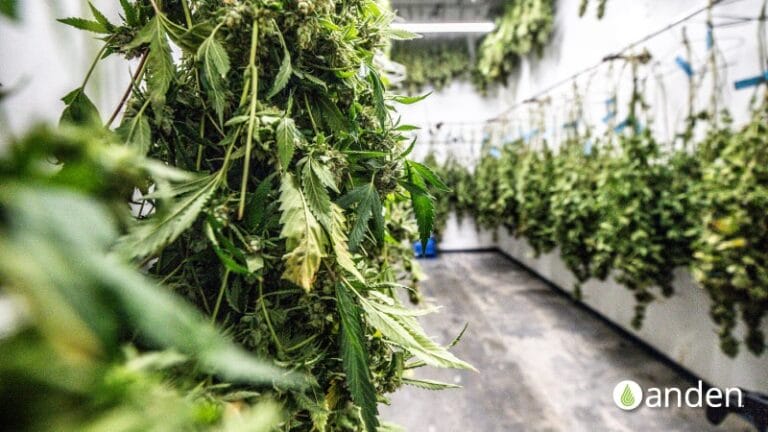
Hanging cannabis plants in a drying room, with vibrant green leaves and a clean, organized workspace in the background.

Drying Room Best Practices

Properly planning and designing a drying room is one of the least considered and most important parts of any cultivation facility. It is important to provide stability when designing a drying room. This promotes an ideal environment and allows for the gradual release of moisture from the flowers. The key components to control are air circulation, temperature, light (or a lack there of), and humidity. Moisture Removal Patience is one of the most critical factor in the drying process. Moisture needs to be removed, but not aggressively. The whole process of drying is best done on average over a…

To provide the best experiences, we use technologies like cookies to store and/or access device information.